
Gathering
Matters
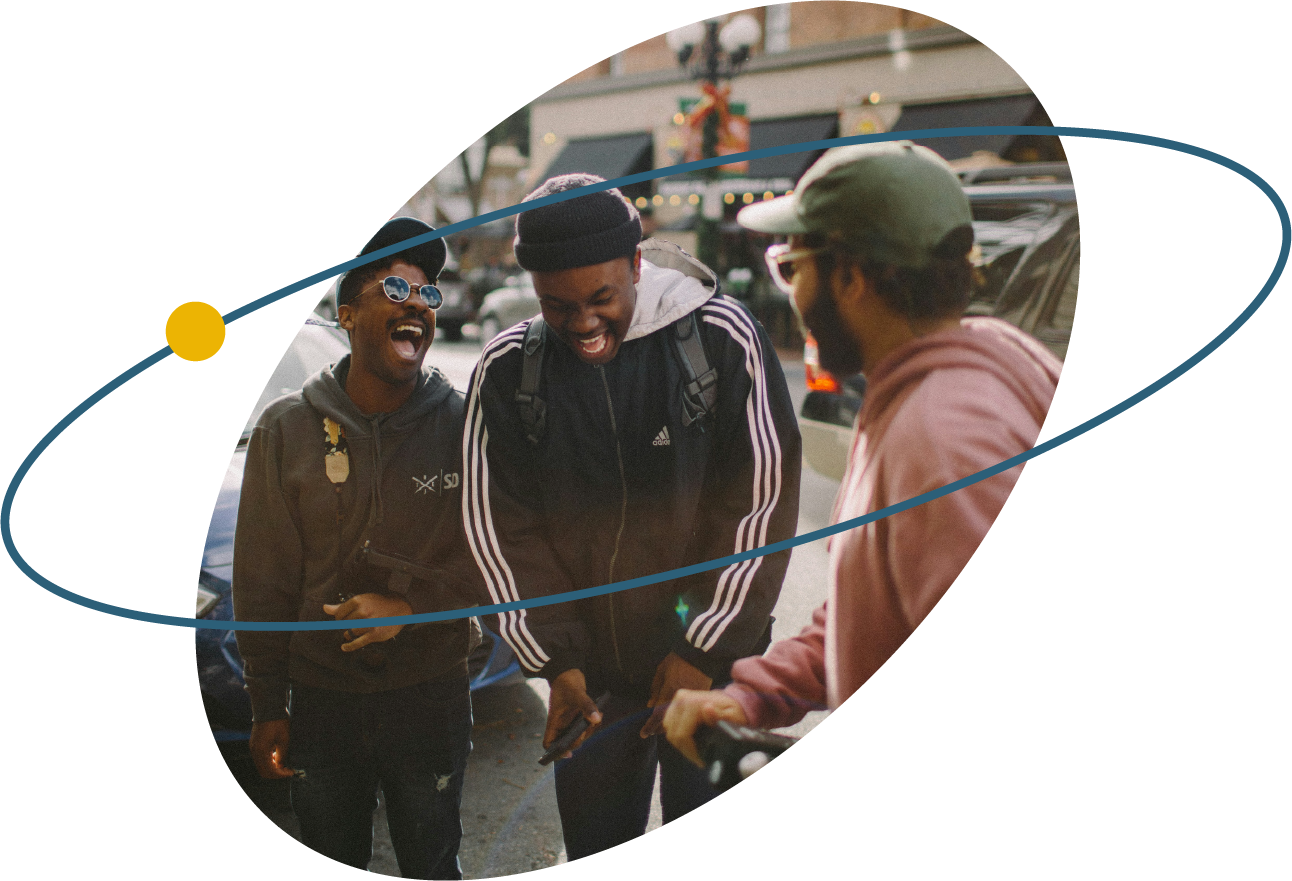
Ensuring that gathering in-person continues to be part of day-to-day life
What is Gathering Matters?
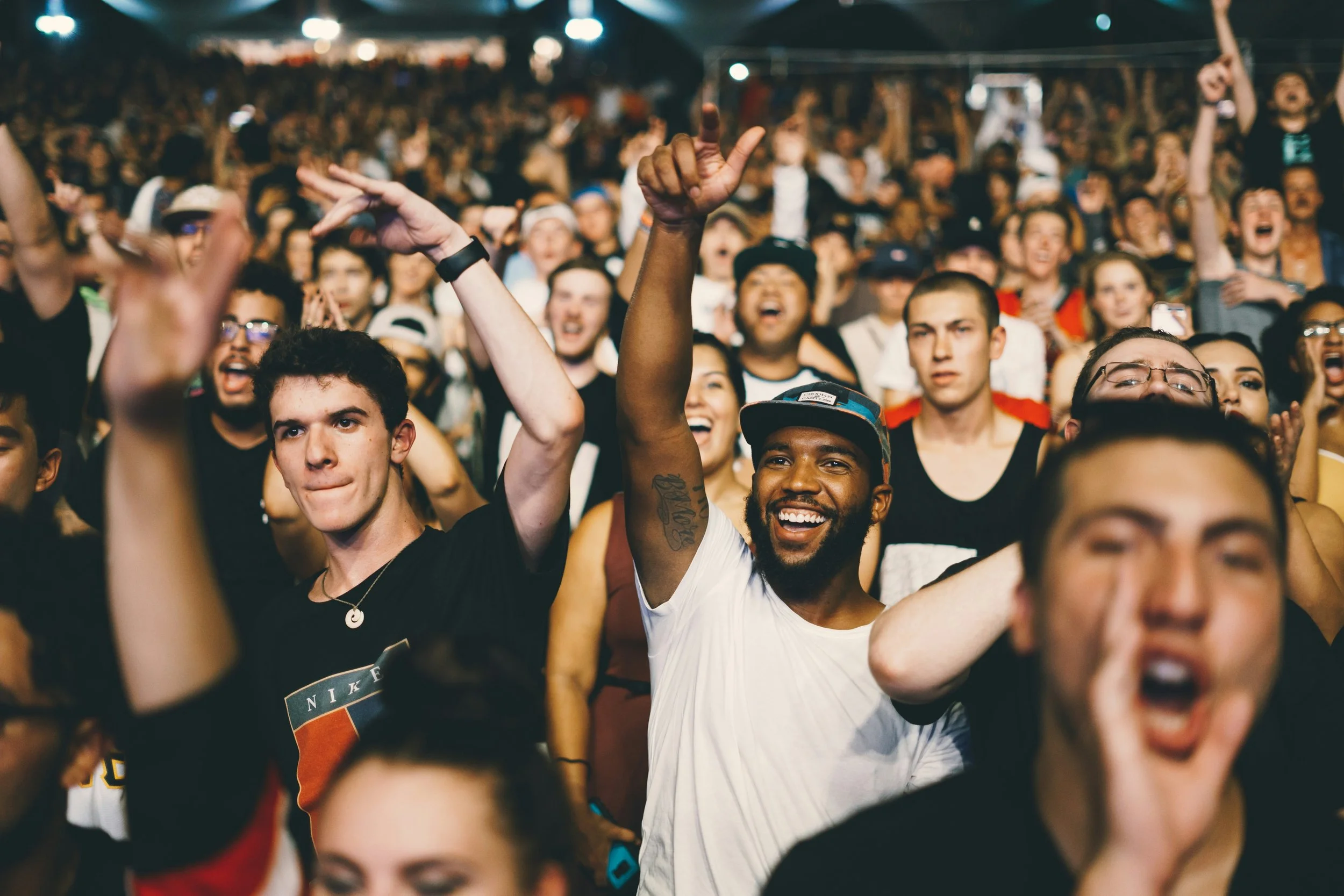

A Gathering is
People connecting
in-person with
Presence and
Purpose.
Gathering Matters is a not-for-profit movement dedicated to rebuilding the habit of in-person connection.
We explore why gathering matters for our health and communities, preserve the knowledge and experiences that tell us how to do it well, and turn that shared learning into real-world action.
Our first focus area is working with young adults, who we believe are best placed to build the gathering experiences their generation needs.
Our Three Focus Areas
1. INFORM
The Importance of Gathering
Why Gathering is needed - by individuals, communities and society in general.
Medical research, articles, white papers etc.
2. PRESERVE
The Gathering Preservation Project
Creation of a database of all things gathering from all over the world.
Providing access to that information to ensure gathering continues into the future
3. ACT
Gathering Initiatives
Age-focused initiatives, focused on collaborative plans for action relating to gathering.
The initial program - our Young Adult Initiative.
“A world where purposeful in‑person gatherings are a regular part of young adults’ day‑to‑day lives.”
— Gathering Matters Vision
YOUTH INNOVATION
The future of gathering
should be imagined by
young people
Gathering Matters is not simply a movement about gathering. It is a youth-driven platform where the next generation helps define what gathering becomes in modern life.
The role of young people
Young adults understand both the digital world and the growing hunger for real in-person connection. They are uniquely placed to imagine new for mats, tools, spaces,
and ventures that help people gather.
How Ideas move
PROGRAM FLOW
Identify a need
Develop an idea
Test it through experiment
Grow into a venture or initiative
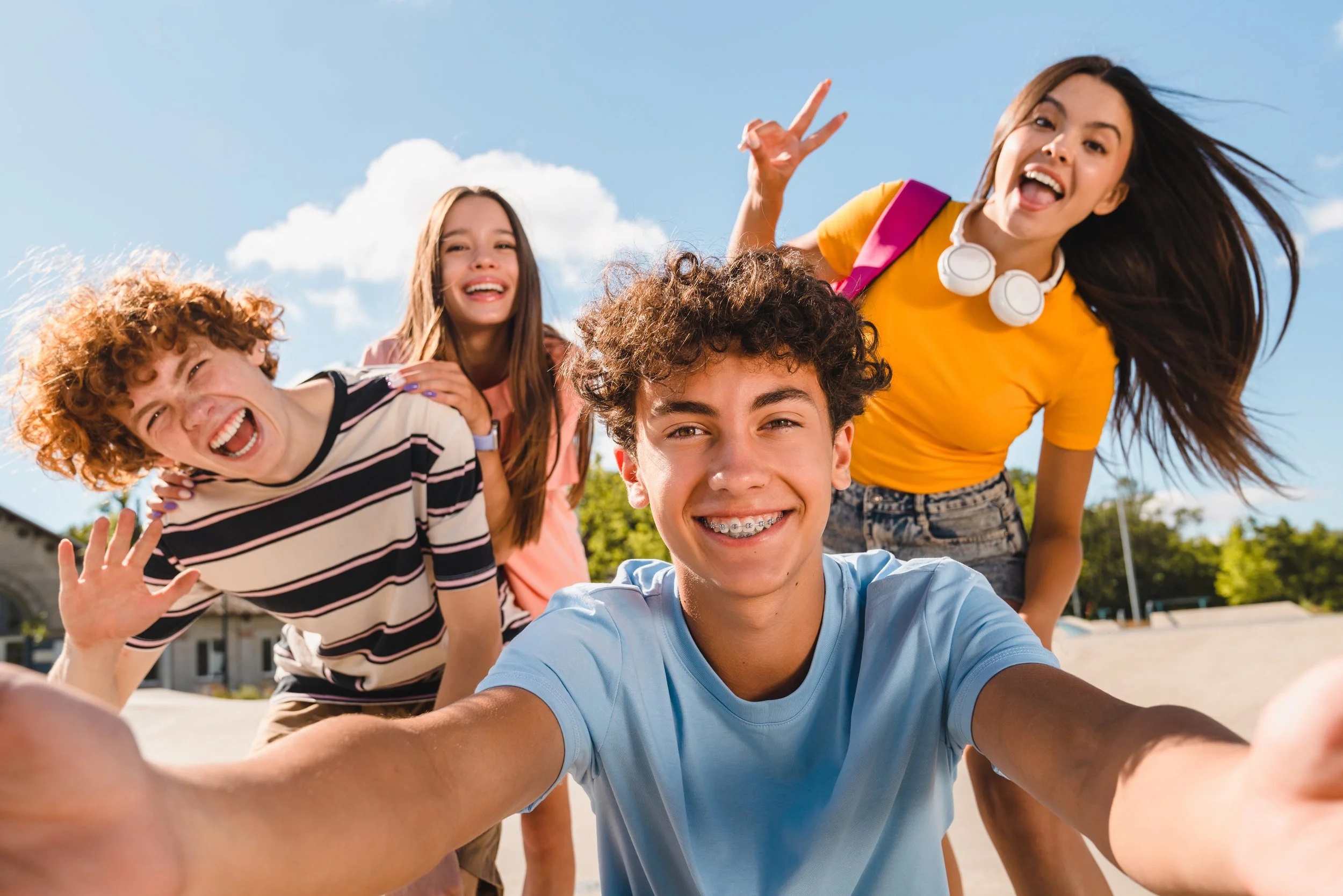
The Idea Collection Program

Young adults ideas for purposeful gatherings are collected through the Gathering Matters youth-driven idea-collection program. This program is a means for young adults to make their idea for gathering a reality.
Ideas are reviewed by the Gathering Matters Young Adult Council for feasibility, sustainability etc.
Ideas that pass the criteria tests are then co-developed with the Gathering Matters organization, and launched as enduring, purposeful gathering ventures.
Young people are organizing their own spaces, researchers are sounding alarms, and communities everywhere are proving that gathering is not optional — it is essential.
- Chicago youth build their own stress-free spaces to gather — no adults required.
- The $7 coffee problem: rising costs are pricing Gen Z out of the last free public spaces.
- I AM ALS plants thousands of blue flags on the National Mall — gathering as grief, hope, and advocacy.
- New US report: arts, culture, and leisure are essential — not peripheral — to social health.
- University of Bristol study: social connection is the strongest predictor of meaning in life for young adults.
- Five years after lockdown, young people's hunger for physical gathering places remains urgent and unmet.
- OECD data from 38 nations: in-person contact is declining — men and young adults hit hardest.
- Ray Oldenburg's foundational third place theory: from Greek agoras to corner cafés, gathering has always mattered.
Young Adults — Creating Spaces & Leading the Way
Young Chicagoans Are Building Their Own Stress-Free Spaces to Gather — No Adults Required
Across Chicago's South Side, young people are organizing their own community spaces in direct response to the disappearance of safe, accessible gathering places. Jaqueza Thomas, 20-year-old CEO of Chicago Emerging Stars, has been organizing events and advocating for young people for years — launching clothing lines at 15, running turkey giveaways at 20, and now building youth-led mental health pop-ups and community spaces. "Sometimes the most radical thing you can give a young person is rest, safety, or someone who simply just listens," he told City Bureau. His organization continues its work through pop-up service days, school-based mentoring, and youth-led projects across the city. "I'm looking forward to stepping into my power in a deeper way, not just as a youth advocate, but as a systems-changer," he said. It is a story about what happens when young people stop waiting for adults to build what they need — and start building it themselves.
The $7 Coffee Problem: How Rising Costs Are Killing the Third Place for Gen Z
A pointed op-ed argues that America's affordability crisis has quietly destroyed one of the last freely available resources young people have — a place to just exist. Some cafés and bookstores now require a purchase to stay, meaning a $7 drink just to sit somewhere. When the price of presence is that high, gathering becomes a luxury. The piece connects cost-of-living pressures directly to the erosion of the informal, no-obligation spaces communities depend on.
Five Years After Lockdown, Young People Still Crave the Third Place
Social media eliminated the practical need to meet people in person — and COVID finished off what was left. A new essay traces how, five years later, the craving for physical gathering places among young people remains urgent and entirely unmet. The hectic pace of daily life, the dilution of neighborhood identity, and the ongoing effects of the pandemic have combined to leave young people in cities across the world without informal places to simply be together.
How Disappearing Third Places Are Fueling the Youth Loneliness Epidemic
The numbers are stark. Between 2014 and 2019, time Americans spent with friends dropped by 37%. Bowling centers declined 32% from 2005 to 2023. Public libraries saw near-zero growth despite rising populations. And young adults aged 18–24 are now twice as likely to experience loneliness as seniors — a complete reversal of what most people would assume. This in-depth piece draws a direct line from the physical loss of third places to the mental health crisis among young Americans, arguing the consequences extend well beyond personal wellbeing into democracy and civic life itself.
Social Connections Are the Strongest Predictor of Meaning in Life for Young Adults
New in-depth research from the University of Bristol — studying 3,337 participants aged 18–30 — finds that connection to others is one of the most powerful factors associated with a sense of meaning in life. Young people who reported stronger social connections were significantly less likely to experience depression, anxiety, or self-harm. Lead researcher Isaac Halstead: "We should be actively encouraging people to build and maintain relationships as part of mental health care — whether through being an active member of the community, shared hobby activities, or social prescribing."
"Sometimes the most radical thing you can give a young person is rest, safety, or someone who simply just listens."— Jaqueza Thomas, 20, CEO of Chicago Emerging Stars · South Side Weekly, May 2026
All Ages — Gathering That Brings Everyone Together
I AM ALS Plants a Sea of Blue Flags on the National Mall — Gathering as Grief, Hope, and Action
On May 6, 2026, the I AM ALS community held its 5th Annual Community Gathering and Awareness Event on the National Mall in Washington, D.C. Thousands of blue flags were planted in the grass — one for each of the 6,000 Americans diagnosed with ALS every year. The day included an opening ceremony, multiple story-sharing circles, a documentary premiere, and organized advocacy around the reauthorization of the ACT for ALS. It is a rare and powerful model: gathering that functions simultaneously as memorial, community, and political action. People who came to grieve also left as advocates. The flags turned a park into a statement that no speech could make as powerfully.
New US Report: Arts, Culture, and Leisure Are Essential — Not Optional — for Social Health
The Foundation for Social Connection released a landmark new SOCIAL Framework Report in April 2026, making a clear evidence-based case that arts, culture, and leisure sectors are not peripheral to social health — they are central to it. The Foundation, which published the first US Social Isolation, Loneliness & Connection Ecosystem Map earlier this year, argues that stakeholders from every sector of society must play a role in improving social connection. The report directly validates what Gathering Matters has always believed: that the places and moments where people come together are not nice extras — they are infrastructure.
The Great Good Place: Ray Oldenburg's Third Place Theory and Why It Still Defines Everything
In 1989, sociologist Ray Oldenburg published The Great Good Place — a surprise New York Times Book Review Editor's Choice that gave a name to something millions of people knew and loved but had never been able to articulate. The "third place": a designation for the great variety of public spaces that host the regular, voluntary, informal, and happily anticipated gatherings of individuals beyond home and work. Cafés, taverns, libraries, barbershops, parks, corner stores. Oldenburg argued these places were not luxuries but necessities — essential to democracy, community vitality, and human flourishing. He defined the third place as allowing individuals to "put aside their concerns and simply enjoy the company and conversation around them." His long-time collaborator Karen Christensen is now releasing an expanded new edition, arguing that third places hold the key to solving climate change, loneliness, and political polarization. Oldenburg passed away in November 2022. His idea has never been more alive — or more urgently needed.
Third Places: True Citizen Spaces — Oldenburg & Christensen in UNESCO
One of Ray Oldenburg's final essays — published in The UNESCO Courier after his passing in 2022 — makes the case with quiet elegance that the third place is one of "the physical settings that have throughout history encouraged a sense of warmth, conviviality, and that special kind of human sustenance we call community." Written with Karen Christensen, the essay notes that Oldenburg's concept quickly entered the common lexicon precisely because readers said it gave a name to something they already knew and cared about. Essential and moving.
Ten Functions of the Third Place: Democracy, Neighborhood Unity, and the Power of Many Friendships
In this landmark Q&A, Oldenburg laid out ten specific functions that great good places serve — from promoting democracy ("The heart and final guarantee of democracy is in the free gatherings of neighbors on the street corners to discuss back and forth and converse freely") to building neighborhood unity, enabling multiple friendships, and providing a sense of belonging that neither home nor workplace can supply. Starbucks once asked Oldenburg to endorse their coffee shops. He declined. A clear-eyed reminder that not all gathering places are equal — and that what makes a place truly third is its freedom, informality, and welcome.
OECD: Across 38 Nations, People Are Meeting In Person Less — and the Policy World Must Respond
The OECD's landmark publication Social Connections and Loneliness in OECD Countries draws on large-sample official data from 38 nations to deliver a clear verdict: people are meeting face-to-face less frequently than in the past, and the deterioration is accelerating among groups previously considered low-risk — particularly men and young people. The report frames social connectedness as an emerging policy priority with far-reaching effects on health, employment, education, and civic engagement. For community builders and public space advocates, this is the data behind the argument you've been making all along.
WHO: Social Connection Is Linked to Longer Life — Loneliness Causes an Estimated 871,000 Deaths Annually
The WHO Commission on Social Connection released its flagship global report in June 2025, revealing that 1 in 6 people worldwide is affected by loneliness — and that loneliness is linked to an estimated 871,000 deaths every year, more than 100 every hour. Strong social connections, by contrast, can reduce inflammation, lower the risk of serious illness, prevent early death, and strengthen communities against disaster. The Commission — co-chaired by Dr. Vivek Murthy — issued a five-point roadmap: policy, research, interventions, a new global Social Connection Index, and public engagement. The report explicitly frames gathering spaces — parks, libraries, cafés, community centers — as core public health infrastructure, not amenities.
Get in Touch
Whether you have a question, an idea, or just want to say hello, feel free to reach out — we’re here to help.
Employer ID: 41-3695742
GATHERING MATTERS
46 Melvin J Court, Oxford, Mi 48371